


The Hatchards Podcast is a conversation show about books brought to you by England’s oldest bookshop. Featuring interviews with some of our favourite authors, bookish waffle and the occasional glass of wine, a new episode publishes twice monthly.
Previous Guests
See MoreBooks from past guests, as featured on The Hatchards Podcast

Kathryn Stockett on 'The Calamity Club': Sisterhood in the American South
Kathryn Stockett on 'The Calamity Club': Sisterhood in the American South
On this episode, we were joined by author Kathryn Stockett to discuss her new novel, The Calamity Club, which follows a group of remarkable women as they confront the reactionary social, cultural and economic forces that defined much of the American South during the Great Depression.
It has been 17 years since Stockett published The Help, one of the defining publishing successes of its era, and she shares with us the anxiety she felt returning to this world after writing a wildly successful, albeit controversial, literary phenomenon. She explains why, this time around, she initially attempted—and ultimately failed—to write a follow-up book that was less likely to spark debate.
For all of The Calamity Club's stifling Mississippi heat and small-town prejudice, the predominant feeling readers are left with is joy. That's because this sweeping story is leavened by the voices of two of the funniest and most fully realised characters you're likely to encounter in any book this year.
Hosted by Ryan Edgington. Produced by Lily Woods and Matt Hennessey.
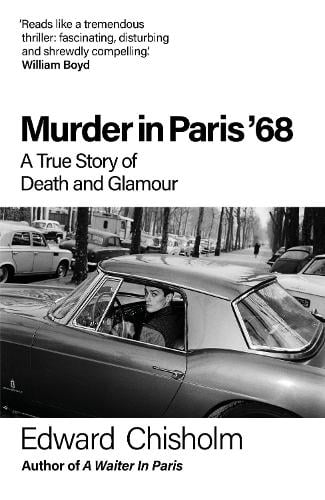
Edward Chisholm on 'Murder in Paris ’68': Film Stars, French Presidents and a Fatal Cover-Up
Edward Chisholm on 'Murder in Paris ’68': Film Stars, French Presidents and a Fatal Cover-Up
On this episode, we are joined by Edward Chisholm, author of our Non-Fiction Book of the Month for May, Murder in Paris ’68. This gripping French crime saga uncovers a vast criminal conspiracy surrounding cinema icon Alain Delon, who was once accused of murdering his friend and bodyguard, Stevan Marković.
The so-called 'Marković Affair' entangled figures ranging from organised crime to President Georges Pompidou, and Chisholm draws on still-classified material and the defining films of the era to revisit a moment of glamour, corruption and cultural change.
Hosted by Ryan Edgington. Produced by Matt Hennessey and Lily Woods.
Jean-Noël Orengo on 'You Are the Fuhrer's Unrequited Love'
Jean-Noël Orengo on 'You Are the Fuhrer's Unrequited Love'
On this episode, we are joined by the author of our Fiction Book of the Month for April, Jean-Noël Orengo, whose novel, You Are the Führer’s Unrequited Love, is an imagined portrait of the life and lies of Albert Speer.
Speer, who was found guilty of war crimes and crimes against humanity at Nuremberg, successfully transformed his public image from that of a war criminal into that of the prototypical 'good Nazi', becoming an international celebrity and one of the most prominent historical chroniclers of the Third Reich. Now, as we approach a time when almost no living witnesses remain, Orengo’s novel asks vital questions about who gets to write history and whether it can be relied upon.
Hosted by Ryan Edgington. Produced by Lily Woods.
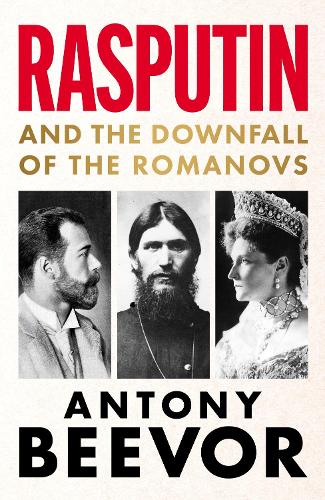
Antony Beevor on 'Rasputin' and the Downfall of the Romanovs
Antony Beevor on 'Rasputin' and the Downfall of the Romanovs
On this episode, we were joined by Antony Beevor, whose new book, Rasputin and the Downfall of the Romanovs, is a deeply researched portrait of Russia’s notorious “mad monk”, and how a barely literate peasant rose to exert extraordinary influence over the Imperial family.
In our conversation, Beevor describes a social order on the verge of extinction, with Rasputin acting as its key accelerant. Tensions mount to the point where collapse feels inevitable — not a matter of if, but when. Ultimately, it is how each figure in this remarkable story responds to that sense of inevitability that seals their fate.
Hosted by Ryan Edgington. Produced by Lily Woods.
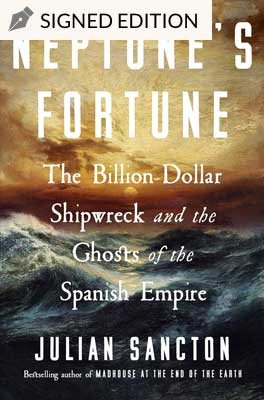
Julian Sancton on 'Neptune's Fortune', Castro, Cousteau and a Billion-Pound Treasure
Julian Sancton on 'Neptune's Fortune', Castro, Cousteau and a Billion-Pound Treasure
On this episode, we are joined by Julian Sancton, the investigative journalist and author of Neptune’s Fortune, which brings us into the world of 20th-century treasure hunting and the search for a Spanish galleon containing over a billion pounds’ worth of gold and silver.
At the center of this story is Roger Dooley, a larger-than-life Cuban American archaeologist who dedicated his life to finding it.
Hosted by Ryan Edgington.
Tom Sachs on Frank Gehry, Guillotines and 'The Tom Sachs Guide'
Tom Sachs on Frank Gehry, Guillotines and 'The Tom Sachs Guide'
On this episode, we’re joined by an art world institution – the American sculptor, Tom Sachs.
He joins us to discuss The Tom Sachs Guide, a visual retrospective of his work which aims to both contextualise and demystify his unique way of seeing the world, as well as the creative inspirations and working methods that drive his famous studio.
Hosted by Ryan Edgington.
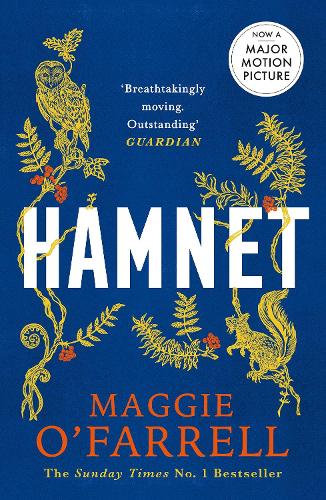
Maggie O'Farrell on Adapting 'Hamnet' for the Big Screen
Maggie O'Farrell on Adapting 'Hamnet' for the Big Screen
On this episode, we were joined by the novelist Maggie O’Farrell to discuss the new film adaptation of her 2020 novel Hamnet, which she co-wrote with the film’s Oscar-winning director, Chloé Zhao.
Maggie spoke with us about what it means to see a book reimagined for the screen without losing any of its tactility or emotional power, and how the collaborative process expanded rather than narrowed her understanding of the original work.
Hosted by Ryan Edgington.
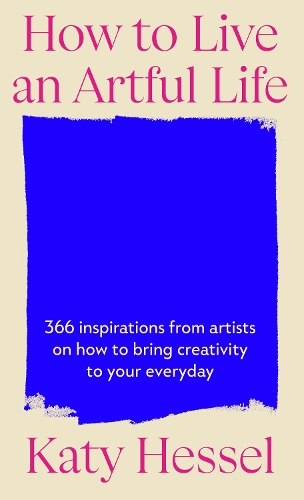
Katy Hessel on 'How to Live an Artful Life': Seasons, Sacrifice, and More of the 'Story'
Katy Hessel on 'How to Live an Artful Life': Seasons, Sacrifice, and More of the 'Story'
On this episode, we were joined by the writer, art historian, and host of The Great Women Artists podcast, Katy Hessel.
Katy’s new book How to Live an Artful Life is a collection of 366 inspirations from her favourite artists and writers, designed to motivate readers to find creativity, beauty, and meaning in everyday life. Many of the ideas in the book stem from her acclaimed podcast, where Katy speaks to artists, curators, and thinkers whose work continues to expand our understanding of art history.
Hosted by Ryan Edgington.
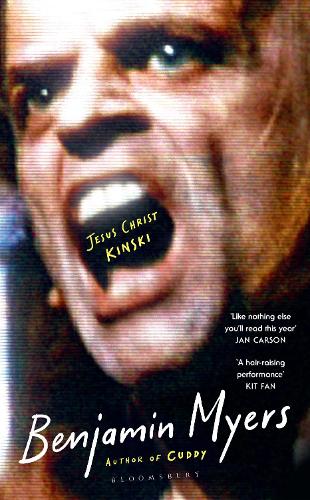
Benjamin Myers on 'Jesus Christ Kinski': Berlin, Biography, and Bad Behaviour
Benjamin Myers on 'Jesus Christ Kinski': Berlin, Biography, and Bad Behaviour
On this episode, we were joined by Benjamin Myers, the prize-winning writer and journalist, to discuss his new novel Jesus Christ Kinski.
It's November 1971 in Berlin, and actor Klaus Kinski performs a one-man show that quickly descends into chaos and recrimination. Fifty years later, a writer snowed in during the pandemic winter of 2021 becomes obsessed with the performance and compelled to write something like a biography of the tortured figure.
We talk with Benjamin about Kinski's modern relevance as both artist and self-mythologising provocateur; the line between genius and narcissism, madness and evil; and how today's culture might have treated a man like him.
Hosted by Ryan Edgington and Matt Hennessey.
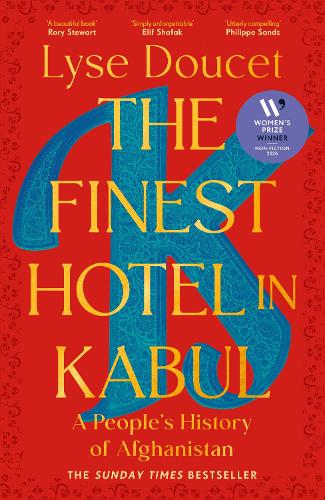
Lyse Doucet on 'The Finest Hotel in Kabul': Freedom and Frontline Journalism
Lyse Doucet on 'The Finest Hotel in Kabul': Freedom and Frontline Journalism
On this episode, we had the privilege of sitting down with Lyse Doucet, the BBC’s Chief International Correspondent, to discuss her powerful new book The Finest Hotel in Kabul: A People’s History of Afghanistan.
Lyse spoke with us about her remarkable career reporting from the frontlines, as well as her reflections on writing, the changing media landscape, and the responsibilities and challenges that come with international journalism. She also offered her perspective on how Afghanistan is too often seen only through the lens of conflict, and why it is important to recognise the country’s rich cultural heritage alongside its history of war.
Hosted by Ryan Edgington and Olivia Robinson.
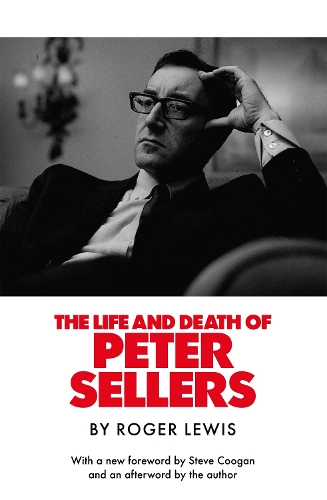
Roger Lewis on 'The Life and Death of Peter Sellers': Goons, Ghosts and Destructive Genius
Roger Lewis on 'The Life and Death of Peter Sellers': Goons, Ghosts and Destructive Genius
On this episode, we welcome back Roger Lewis, whose deeply researched and gleefully idiosyncratic biographies of British performing artists have come to constitute a genre all their own. Our subject is the book that began it all: his classic The Life and Death of Peter Sellers, newly reissued in a hardback edition with a foreword by Steve Coogan.
In its pages, Lewis makes the case that Sellers was, alongside Olivier, perhaps the finest British actor of the twentieth century. In our conversation, he conjures Sellers as a man without a core, a figure of astonishing mimicry in whom there was no enduring sense of self.
Hosted by Ryan Edgington.
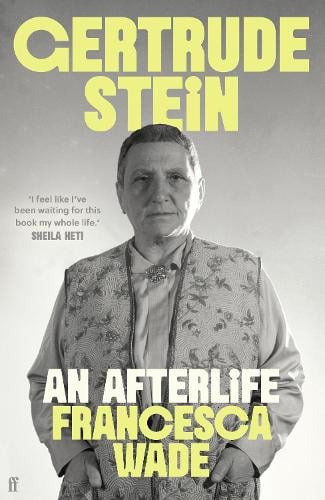
Francesca Wade on 'Gertrude Stein: An Afterlife', the Avant-Garde and Alice B. Toklas
Francesca Wade on 'Gertrude Stein: An Afterlife', the Avant-Garde and Alice B. Toklas
On this episode, we were joined by Francesca Wade to discuss her groundbreaking new biography, Gertrude Stein: An Afterlife.
Francesca takes us behind the scenes of her exhaustive research—from exploring the Yale archives, which hold over 75 years of manuscripts, personal letters, and photographs, to visiting the French countryside where Stein and Toklas lived during the German occupation.
Hosted by Ryan Edgington and Olivia Robinson.
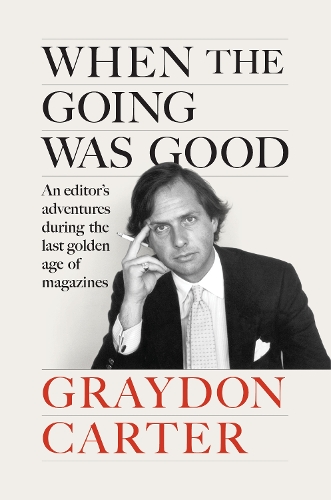
Graydon Carter on 'When the Going Was Good': Velvet Ropes, Veritas, and Vanity Fair
Graydon Carter on 'When the Going Was Good': Velvet Ropes, Veritas, and Vanity Fair
On this episode, we're joined by legendary magazine editor Graydon Carter to discuss his memoir, When the Going Was Good, an intoxicating portrait of his 25-year reign as editor of Vanity Fair.
Throughout our conversation, Carter shares countless juicy anecdotes — from receiving a Scientology plaque from Tom Cruise to helping Fran Lebowitz find the perfect suit — and explores how magazine journalism has lost its lustre in the digital age.
Hosted by Ryan Edgington.
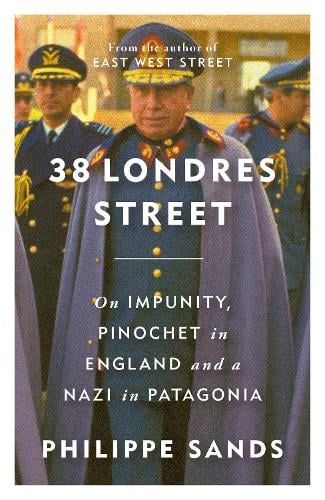
Philippe Sands on '38 Londres Street': Pinochet, Prosecution, and a Nazi in Patagonia
Philippe Sands on '38 Londres Street': Pinochet, Prosecution, and a Nazi in Patagonia
On this episode, we're joined by Philippe Sands to talk about his latest book, 38 Londres Street, a gripping exploration of justice, memory, and impunity told through the intertwining stories of Chilean dictator Augusto Pinochet and Nazi fugitive Walter Rauff, who spent decades in the country avoiding extradition.
In typical fashion, we also cover everything from Pinochet's visit to Hatchards a few days before his arrest—where he reportedly bought every book he could find on Napoleon—to his compulsive viewing of Star Wars films while awaiting trial.
Hosted by Ryan Edgington.
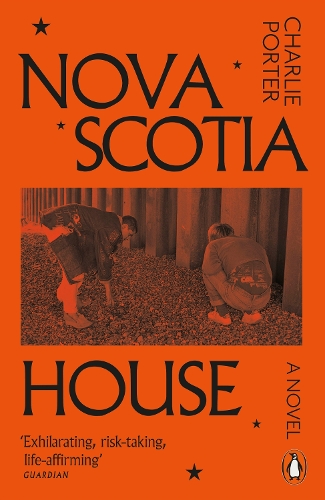
Charlie Porter on 'Nova Scotia House': Relationships, Radicals and Reclamation
Charlie Porter on 'Nova Scotia House': Relationships, Radicals and Reclamation
On this episode, we’re joined by writer and fashion critic Charlie Porter to discuss our Fiction Book of the Month in April, Nova Scotia House, a powerful love story that summons a lost generation, set against the backdrop of the UK AIDS crisis.
In true form, we also cover everything from Virginia Woolf and the Bloomsbury Group to the feud over “punk” between British artist and filmmaker Derek Jarman and fashion icon Vivienne Westwood. Charlie also shares his love of Proust and 19th-century literature, despite his improbable hatred of Madame Bovary.
Hosted by Ryan Edgington and Olivia Robinson.
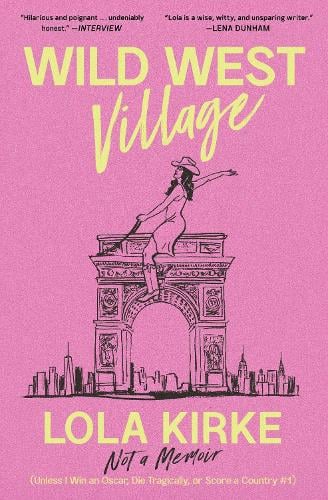
Lola Kirke on 'Wild West Village': Fame, Family, and Finding Your Voice
Lola Kirke on 'Wild West Village': Fame, Family, and Finding Your Voice
On this episode, we were joined by Lola Kirke, the British-American actress and musician known for Gone Girl and Sinners, who has written Wild West Village, a witty and moving essay collection described by Booklist as the 'Andy Warhol Diaries for rich New York City art kids of the new millennium.
The book follows Kirke’s famous family—including her father, Simon (drummer for Free and Bad Company), and her sister, Jemima (of HBO’s Girls)—from West London to the West Village, as Lola navigates life in a family of larger-than-life personalities.
Hosted by Ryan Edgington and Matt Hennessey.
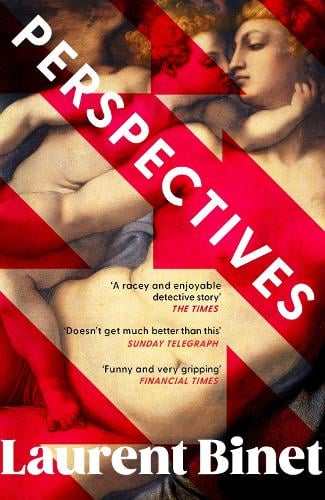
Laurent Binet on 'Perspectives': Michelangelo, Mannerism, and Murder
Laurent Binet on 'Perspectives': Michelangelo, Mannerism, and Murder
On this episode, we were joined by Laurent Binet, the Prix Goncourt-winning author of HHhH, to discuss his new novel, Perspectives — a murder mystery set in Renaissance Florence, where Giorgio Vasari (possibly the world’s first art critic) is tasked with finding the killer of one of the city’s most prominent painters.
As a guest, he is funny, laid-back, and happy to go down the rabbit hole with us as we discuss everything from Proust to Philip Marlowe, Simenon to Stanley Kubrick.
Hosted by Ryan Edgington and Matt Hennessey.
RaMell Ross on 'Nickel Boys': Colson Whitehead’s Masterpiece on the Screen
RaMell Ross on 'Nickel Boys': Colson Whitehead’s Masterpiece on the Screen
On this episode, we were joined by Oscar-nominated filmmaker RaMell Ross, director and co-writer of Nickel Boys, the new screen adaptation of Colson Whitehead's Pulitzer Prize-winning novel.
Rated five stars by The Times and The Guardian and hailed as a 'masterpiece' by The Independent Ross' film is a transformative adaptation of Whitehead's novel, employing a first-person POV that faithfully translates the book's prose experience into the language of cinema.
RaMell spoke to us about the daunting task of adapting the work of a literary icon, his unique journey from potential NBA prospect to artist, his love of J.D. Salinger, and whether genre-oriented books make for the most successful screen adaptations.
Hosted by Ryan Edgington and Matt Hennessey.
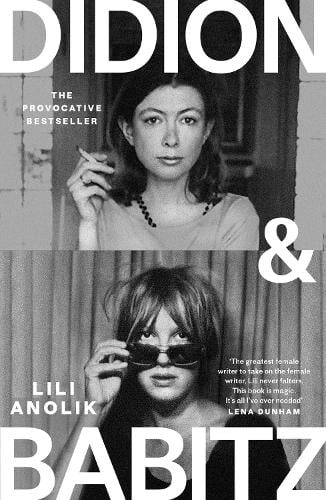
Lili Anolik on 'Didion & Babitz': Joan’s Bethlehem vs Eve’s Bedlam
Lili Anolik on 'Didion & Babitz': Joan’s Bethlehem vs Eve’s Bedlam
On this episode, we were joined by Lili Anolik, contributing editor at Vanity Fair, and author of Didion & Babitz, a provocatively entertaining account of the feud between two key countercultural voices of the 1960s and '70s – the iconic Joan Didion and the lesser-known Eve Babitz.
Lili spoke us to about her decade's long obsession with Eve Babitz, her scepticism of the Didion mystique, Pauline Kael, and the crucial role that Los Angeles played in the development of these two literary titans.
Covering everyone from Charles Manson to Marcel Duchamp, Lili takes us headlong into two tumultuous decades, demonstrating why Eve Babitz considered Los Angeles in the 1970s to be the Moveable Feast that Hemingway and Fitzgerald experienced in the Paris of the '20s.
Hosted by Ryan Edgington and Matt Hennessey.
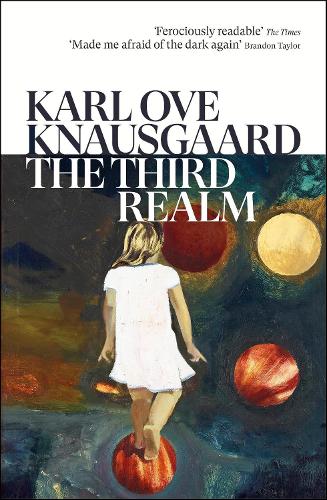
Karl Ove Knausgaard on 'The Third Realm': Transcendence, Translation, and Twin Peaks
Karl Ove Knausgaard on 'The Third Realm': Transcendence, Translation, and Twin Peaks
On this episode, we were joined by Karl Ove Knausgaard, author of one of the key literary phenomenons of the 2010s, My Struggle, to discuss his latest novel, The Third Realm, the latest instalment in the riveting Morning Star series.
Karl Ove spoke to us about his journey toward becoming more at ease in literary interviews, his relationship with his work in translation, and how music informs one’s sense of identity—contrasting, for instance, his youthful love of punk and R.E.M. with his daughter’s of Ariana Grande.
We also discuss “artistic preciousness” and how he has evolved from seeing writing as 'sacrosanct' to being able to work at the kitchen table despite constant interruptions.
Hosted by Ryan Edgington and Matt Hennessey. Produced by Lily Woods.
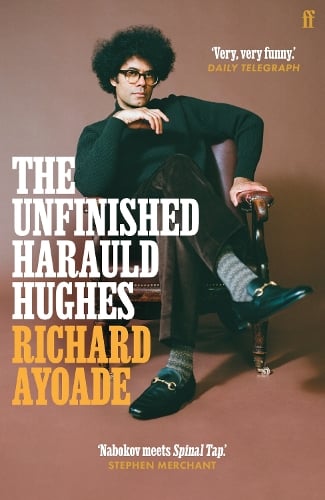
Richard Ayoade on The Unfinished Harauld Hughes: Salinger, Sanctimony and Spinal Tap
Richard Ayoade on The Unfinished Harauld Hughes: Salinger, Sanctimony and Spinal Tap
On this episode, we were joined by the iconic actor, writer, and filmmaker Richard Ayoade to discuss his latest comic novel, The Unfinished Harauld Hughes.
Richard spoke to us about the figures that influenced the invention of Hughes–among them Harold Pinter and Orson Welles–and the ill-fated film Hughes authored, 'O Bedlam, O Bedlam', which stopped the prolific playwright from ever writing again. He expressed scepticism about the myths and exaggerations that create 'great lost works' and literary recluses and discussed why it is important to approach comic writing from the inside out rather than trying to make fun of your characters.
For good measure, we also discuss his deep love of 'Spinal Tap', Joan Didion, and the time he spent acting in Wes Anderson's 'The Wonderful Story of Henry Sugar'.
Hosted by Ryan Edgington and Matt Hennessey.
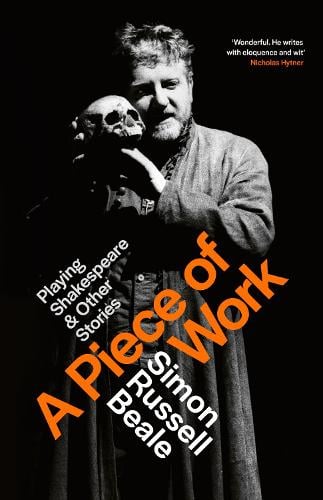
Simon Russell Beale on 'A Piece of Work', Shakespeare, Stalin and Sam Mendes
Simon Russell Beale on 'A Piece of Work', Shakespeare, Stalin and Sam Mendes
On this episode, we were joined by the legendary British actor, Sir Simon Russell Beale, to discuss his first memoir from a life on the stage, A Piece of Work: Playing Shakespeare & Other Stories.
Often described as the 'best stage actor of his generation', Simon shares insights into the whopping 18 Shakespeare characters he has played throughout his career with the RSC and the National Theatre. He generously invites us in to his process as an actor and explains why the personal and working relationships he has formed with collaborators like Sam Mendes and Nicholas Hytner are essential to his extraordinary success.
Lastly, we discussed encounters with performing legends such as Stephen Sondheim and Lauren Bacall and what it means for an actor to receive a 'bad note' from a director. Hosted by Ryan Edgington and Matt Hennessey.