

Reviews: Workhouse (1)
“A trip into the harshness of Victorian England.”
(Paperback)
The Workhouse by Simon Fowler is one of the best and well researched books on The Workhouse something that hung over the poor like Damacles Sword and sent fear through the massed ranks of the poor. The publication of this book is well timed especially when people are researching their family tree’s and find that ancestors were sent to the workhouse, many want to know what the workhouse was. If one was to look at the former workhouse in Hampstead Workhouse now you would never understand what passed as life there looking at the expensive apartments that have been converted from the building.
Today as we look back at what the Workhouse was we can think of Mr Bumble in Oliver Twist or the stories of the past of a harsh and unforgiving place. Whether we can ever understand how the workhouse was able to strike fear in to the poor and poverty striken this book goes someway to break down those barriers to our understanding.
The chapters are broken down in to easy to use, easy to understand the workings of the workhouse and where possible evidence is given to back up the statement on life or the lives of the inmates. One of the first things that Fowler does is explain how Britain and especially Victorian Britain ends up with the workhouse system under the Poor Laws of the 19th Century when there were Poor Law Guardians appointed to protect the Parishes with the poor and poverty stricken. It must be remember that at the time Britain was going through acute change from Industrial and agraian revolutions which meant there were more people than the work that was available.
It was also clear of the thinking of the Christians of the time when there was no welfare state, the rich expected the poor to stand on their own two feet and that they were responsible for being poor and could work their way out of their situation. Fowler again uses the evidence of the Poor Law Guardians of their thoughts on the poor and that relief was corrupting the independant nature of the poor.
Fowler provides examples of what life was like behind the doors of the workhouse and he does not pull any punches and gives examples of the various workhouses that covered the country. He explains the hierarchy of the workhouses with the masters and matrons and how they dealt with the people in their care. Fowler also explains how the inmates were treated within the walls and that entering the workhouse was meant to be humiliating and that they would be accepting humiliation on them by the authorities.
In two chapters explains the attitudes to children and those sick and elderly. What must be remember that children made up one third of the workhouse population. They were also the only set of workhouse inmates that the Victorians had any sympathy with. By the end of the ninteenth century the workhouse population comprised the sick and the elderly and their care was very insitutionalised even though harsh had quite a success rate in their treatment, which is often forgotten again something that Fowler highlights.
Simon Fowler has written an excellent account of life in the workhouse and he does not hold back any punches, he shows both the good and the bad so we get a fair account of the Workhouse. I know from this account I would not like to go back to that provision and its harshness which comes across at best as unChristian response by Christians to caring for the poor. I am sure the Bible says something about the poor, the rich and heaven as well as taking care of neighbours. An excellent book well worth reading if you require understanding of being poor and in the poorhouse.
Page of 1
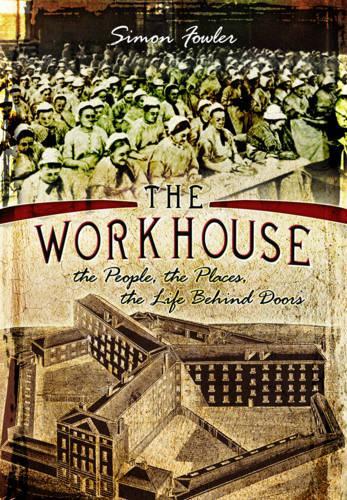
Workhouse
Non-Fiction, History , British History, Local History
Simon Fowler (author)
Paperback Published on: 30/09/2014
Price: £14.99