

Reviews: Cheri (1)
“interesting and novel”
(Paperback)
cheri was first published in 1920 yet relays the story of a very modern relationship – that of a six-year affair between experienced middle-aged woman , Lea, and the youthful Cheri; the son of an acquaintance of hers. contrary to the prudishness and conservatism of much of the upper classes in this era, the novel explicitly outlines the debauchery enjoyed behind Lea’s closed doors; a remarkable feat from author Colette, considering the tale precedes the much tamer Lady Chatterley’s Lover by eight years and unlike Lawrence’s love story, was not banned*. However whilst the content of the novel would be deemed as fairly tame by the modern reader, it is the honesty and emotion in the writing which makes the relatively uneventful plot so affecting and made it one of the rare un-put-downable books I have come across.
as someone who has spent a lot of her education studying the world wars and subsequent genealogical and social trauma, a striking theme for me in this novel was that of luxury, sensuality and blinkered insularity. from Cheri’s first exclamation “Give it me, Lea, give me your pearl necklace!” to his subsequent teenage-esque sulking and materialistic wanting, the book revolves around self-indulgence in terms of people, objects and places; all of which seem to lack any kind of moral fibre. yet, like Princesse de Cleves -another seminal French dalliance with sexuality and opulance – the underlying existentialist themes and humanistic concerns are just as effective as that of Camus or Zola. after all, who doesn’t consider the ephemeral nature of life and the process of aging? the appropriacy and reciprocity of love? and the very meaning of happiness. as with its contemporaries Great Gatsby and Madame Bovary, neither love nor material wealth alone bring happiness.
Colette’s novel is also comparable in some ways to Goethe’s Sorrows of Young Werther in its exploration of the intimate connection love has to sorrow. in Cherí, the author presents her readers with a non-idealized view of love that more closely resembles human experience than the love routinely depicted in gothic romance and literary ancestors such as Jane Eyre and Sense and Sensibility. in her work, she tries to capture the destructive nature of idealistic romantic love, showing love as being sullied when there is desire for unattainable purity. at the turn of the twentieth century Colette showed how many women of her era were often less idealistic than men about love, after all it was usually forced upon them and was a lot more focused on the vows of “honour and obey”. forced to live out its deceptions, contradictions, and ambiguities, women were at a much greater disadvantage than men if they chose to see it unrealistically. Cherí and Léa show this reversal of modern gender stereotypes.
on the surface, this book is a pleasant and intriguing tale of love, lust and the blurred lines between, but a further probe is very telling of French attitudes in the era. highly recommended for fans of Proust and Flaubert – beautifully written with memorable characters.
*this is most likely due to its publication in the French language
Page of 1
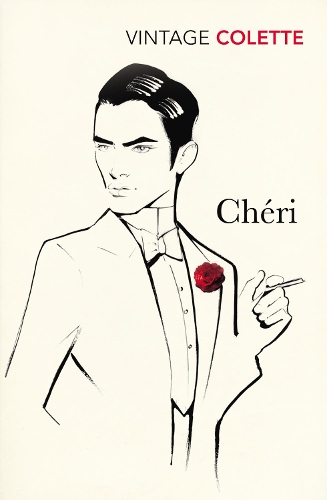
Cheri
Fiction, General Fiction
Colette (author)
Paperback Published on: 05/09/2013
Price: £8.99