


Posted by Jane McMorland Hunter on November 15, 2021
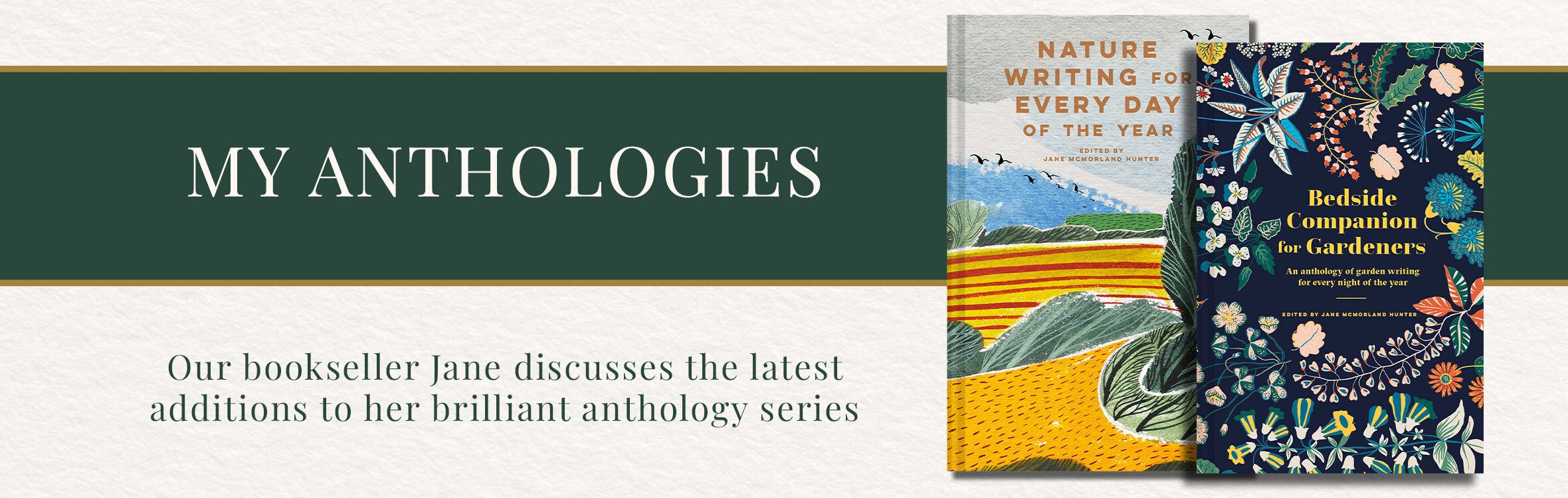
This autumn I have feel as if I have had twins. Two of my anthologies are published within days of each other and, after months of working on them and allowing them to take over my dining room, I now have to let the finished books go to fend for themselves in the big wide world. Nature Writing for Every Day of the Year was published on 14th October and A Bedside Companion for Gardeners on the 26th. Like three of my earlier poetry anthologies (A Nature Poem for Every Day of the Year, A Nature Poems for Every Night of the Year and Friends: A Poem for Every Day of the Year) these collections take the reader through the year with a piece for each day.
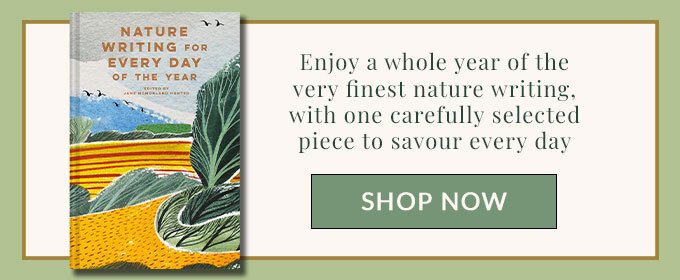
The idea for Nature Writing for Every Day of the Year came about whilst I was compiling two anthologies of nature poetry. I realised many of the best and most evocative nature writers only wrote prose. Nature appears in many unexpected places in books from Victorian novels and traveller’s journals to essays and children’s stories. This anthology dips its toe into fact and fiction, letters and diaries, practical field guides and wild imaginings. Following the seasons, day by day, you will find identification notes and musings from bygone times, magical forests and many timely warnings, throughout the ages, of the perils of mistreating nature and taking her riches for granted.
I did not intend this book to be particularly useful but I have included entries from field guides where the description is particularly beautiful, interesting or humorous. Anne Pratt, Edward Step and Rev C. A. Johns wrote so lyrically that their descriptions go far beyond merely useful. Much of the best nature writing allows the imagination to soar and with this in mind I have included the opinions of witches, griffins and a phoenix. Amongst these pieces you will also find bears (grizzly and duffle-coated), cats, dogs and talking ravens. You will discover how to make a cowslip ball, what advice to offer an oak sapling and read some very surprising descriptions of Hatchards bookshop. Not all writers even liked the wilderness, Daniel Defoe, while travelling round Britain, went from town to town and deplored the wildness of the Lake District.
This is a very personal selection; readers may be surprised to find the novelist Charles Dickens has more entries than the naturalist W. H. Hudson and that the probably lesser-known Aldo Leopold appears more than Gilbert White. These are the books I love and reread: childhood favourites, moving novels and haunting descriptions of nature. The aim of this anthology is to bring the wild world into readers’ homes although I must warn readers that, in the world of my anthologies, the seasons behave correctly – snow comes in winter and is always deep, crisp and even, summer days have clear blue skies and autumn is golden with piles of leaves to shuffle through.
Of the ten anthologies I have compiled Bedside Companion for Gardeners is probably the closest to my heart. I gardened as a child, partly as cheap labour for my parents, partly for fun and then, for many years, worked as a gardener alongside selling books and writing them. I love gardening as much as I love reading. Ever since I can remember I have marked passages in books which I particularly like (I have a strict set of rules: I will happily write notes all over a book in pencil but never in pen and am happy to strain the spine with masses of paper markers but will never fold a page down). This anthology is the result of all those notes and markers.
Pieces of poetry and prose, fact and fiction, practical advice and wildly impractical ideas are collected together here, with one piece for every day of the year. My intention was that there would be a balance of the different elements but I hunted down the pieces I liked with no real plan. The result was too many pieces about mulberries and cottage garden flowers and vast sections from Francis Hodgson Burnett’s The Secret Garden. A few wild flowers have also crept in but most of these would happily grace any garden given the opportunity. I did a little pruning but decided that most pieces should stay. As a result the anthology is a little like a slightly unruly climbing rose, tethered to its framework and following a proscribed outline but every so often shooting off at a wild tangent.
This is not a practical manual although each month I have included practical advice from John Evelyn in 1664, Samuel Orchart Beeton (husband of Isabella) from two hundred years later and others from the sixteenth to the twentieth-first centuries. Some show how little gardening has changed whilst others seem to have been written with another world in mind. Each extract is dated and I would recommend that readers check when the piece was written before rushing into the garden to put an idea into practice.
Styles and opinions in both gardening and literature change over the years, often dramatically. Old fashioned flowers are considered charming or outdated, fountains esteemed or unwholesome and shrubberies, temples and topiary have all, at various stages, been in or out of fashion. Some writers intend to be amusing, notably Heath Robinson on poets and Karel Čapek on the dangers involved in watering, whilst others have become humorous as time advances and tastes change. I have tried, but not very hard, to be fair to all sides.
Gardening can be a source of great pleasure, whether one is planning, planting and pruning or simply escaping from the busy world beyond the garden gate. Just as importantly, reading about gardens can be a source of delight and inspiration. My hope is that everyone will find pieces to delight and inspire them in this collection: some old friends and other welcome new discoveries.

Jane's Other Anthologies


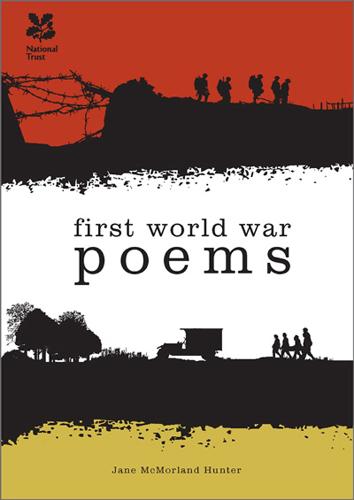 First World War PoemsJane McMorland HunterPrice: £12.99An anthology of over 100 poems written during and about the First World War. Illustrated throughout with evocative paint... See moreAn anthology of over 100 poems written during and about the First World War. Illustrated throughout with evocative paintings and posters, this collection brings together the famous poets of ... See more
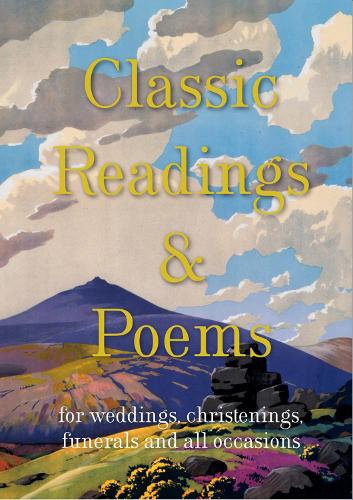 Classic Readings and PoemsJane McMorland HunterPrice: £14.99This beautiful collection includes some of the best readings and poems to help you mark anything from a birth to a death... See moreThis beautiful collection includes some of the best readings and poems to help you mark anything from a birth to a death, an engagement to a retirement, a wedding to a memorial service.It is... See more
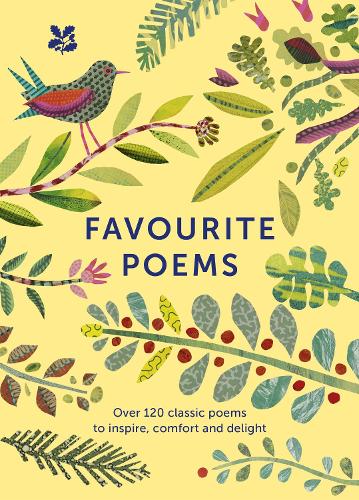 Favourite PoemsJane McMorland HunterPrice: £9.99An anthology of classic poems that is perfect for bedside reading, accompanied by charming illustrations by Jane Robbins... See moreAn anthology of classic poems that is perfect for bedside reading, accompanied by charming illustrations by Jane Robbins. From Chaucer to Carroll, Shakespeare to Shelley, enjoy the nation's ... See more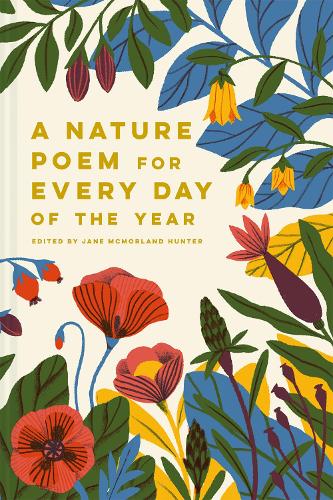
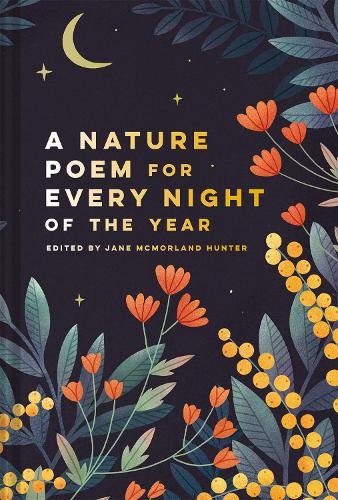 Nature Poem for Every Night of the YearJane McMorland HunterPrice: £25.00Featuring best-loved verse from the likes of William Blake, Emily Dickinson and John Keats, this breathtakingly beautifu... See moreFeaturing best-loved verse from the likes of William Blake, Emily Dickinson and John Keats, this breathtakingly beautiful selection is a perfect gift for poetry and nature lovers alike. See more
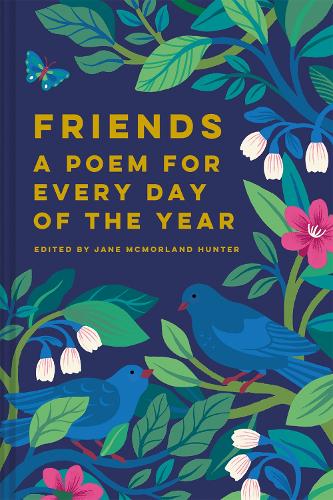 Friends: A Poem for Every Day of the YearJane McMorland HunterPrice: £20.00Featuring classical poets like Bronte and Keats as well as more modern voices such as Stevie Smith and Norman MacCaig, t... See moreFeaturing classical poets like Bronte and Keats as well as more modern voices such as Stevie Smith and Norman MacCaig, this stunningly designed anthology is an uplifting tribute to the power... See more